


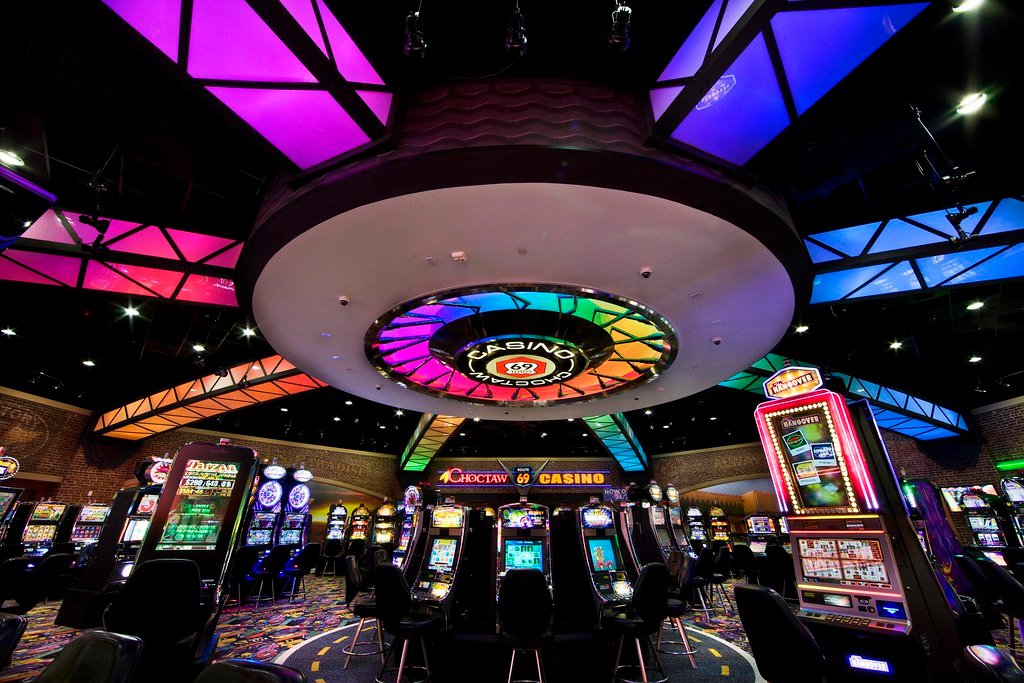
In online gaming communities across Southeast Asia, one phrase appears again and again: slot gacor. The term has become part of everyday conversation among slot enthusiasts, especially in Indonesia. But what does it actually mean, and why has it gained such cultural momentum?
Rather than treating it as a marketing buzzword, it’s more interesting to explore the psychology, mechanics, and community behavior behind the term.
What Does “Slot Gacor” Mean?
“Gacor” is slang derived from Indonesian, loosely meaning “active,” “on fire,” or “performing well.” In gaming circles, it’s used to describe a slot machine that feels like it is paying out frequently or entering a bonus cycle more often than expected.
The key word here is feels.
Slot machines—whether physical or digital—operate using Random Number Generators (RNGs). Every spin is mathematically independent of the last. There is no memory, no “hot” cycle in the literal technical sense. Yet players often believe certain sessions or time periods are more favorable.
This belief is not irrational—it’s human.
Why Players Believe in “Hot” Slots
There are three main psychological factors behind the slot gacor phenomenon:
1. Pattern Recognition Bias
Humans are wired to detect patterns, even where none exist. If a player wins several small prizes in a short span, the brain connects those events and labels the slot as “active.”
2. Reinforcement Learning
Slot games use variable reward schedules—the same system that makes social media addictive. Occasional unpredictable rewards reinforce continued play more effectively than predictable ones.
3. Community Sharing
When someone posts about a big win, it spreads quickly. Stories of success create social proof, strengthening the perception that certain games are “gacor” at specific times.
The result? A collective narrative forms around certain titles.
Understanding RTP and Volatility
To evaluate claims of a slot being “gacor,” it helps to understand two core technical concepts:
Return to Player (RTP)
RTP is the theoretical percentage of wagered money a slot will return to players over millions of spins. For example, a 96% RTP means that, statistically, $96 is returned for every $100 wagered over the long term.
Important: RTP does not guarantee short-term results.
Volatility
Volatility measures how often and how large wins tend to be:
- Low volatility: Frequent small wins
- High volatility: Rare but larger wins
Many players interpret low-volatility games as “gacor” because they produce more consistent small payouts.
The Role of Timing and Perception
Another popular belief is that certain hours of the day are better for playing. Technically, RNG systems do not adjust payout cycles based on time of day. However, perception plays a strong role:
- Playing during off-peak hours may feel less competitive.
- Fewer distractions can lead to better focus.
- Emotional state affects how wins and losses are interpreted.
The idea of a “live RTP tracker” or performance observation tools often fuels these discussions. Communities frequently analyze trends and share insights about perceived performance shifts. For example, platforms like slot gacor discussions often revolve around observed payout patterns rather than guaranteed outcomes.
This blending of technical metrics and community storytelling keeps the concept alive.
Why the Term Persists
The popularity of the phrase isn’t just about payouts. It reflects:
- A shared language among players
- A way to reduce uncertainty in a random system
- A strategy discussion culture
- The human desire to feel in control
In uncertain environments, people naturally build frameworks to interpret results. “Slot gacor” becomes that framework.
Responsible Perspective
While it’s interesting to explore the psychology and mechanics behind the term, it’s important to remember:
- Slots are games of chance.
- No strategy can override RNG systems.
- Emotional decision-making often leads to higher risk-taking.
Understanding how perception, probability, and social influence interact helps players make more informed decisions.
Final Thoughts
The concept of slot gacor is less about mathematics and more about human behavior. It represents the intersection of technology, psychology, and online community culture. Whether viewed as myth, momentum, or simply slang, the term reflects how players interpret randomness in ways that feel meaningful.
In the end, what makes a slot “gacor” may not be hidden code or secret timing—but the stories players tell about their experiences.