


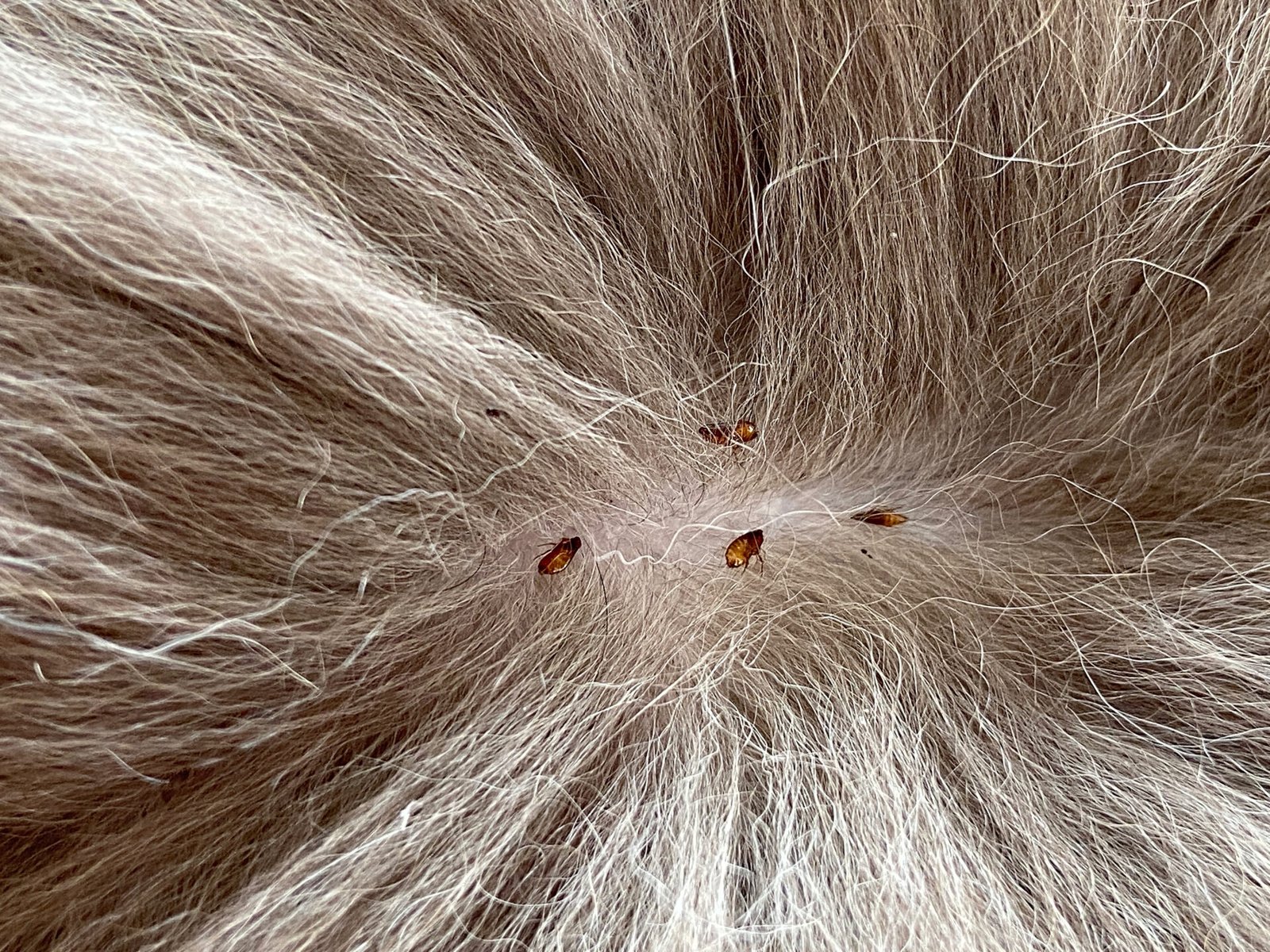
Flea traps work best when deployed as a monitoring and supplementary capture tool within a structured control programme, not as a standalone solution. Used alongside insecticide treatments, environmental management, and host animal treatment, they help professionals and property managers track infestation pressure and confirm when control has been achieved.
Key Takeaways
- Flea traps catch adult fleas through light and heat attraction, but adult fleas represent only around 5% of the total flea population at any site; the remaining 95% are eggs, larvae, and pupae in the environment.
- Effective flea control requires treating the host animal, the premises, and monitoring simultaneously, not sequentially.
- Traps placed in rooms where pets rest or sleep typically capture significantly higher numbers, making them reliable indicators of the heaviest infestation zones.
- Glue-board traps should be checked and replaced on a schedule of at least every two weeks during active infestations to maintain accurate monitoring data.
- A properly structured integrated programme typically requires a minimum of two treatment rounds, spaced to account for the pupal stage, which is resistant to insecticides.
What Is a Flea Trap and What Does It Actually Do?
A flea trap is a device that uses a combination of warm light and, in some models, a heat source to attract adult fleas and retain them on a sticky glue board. Adult fleas are positively phototactic and thermotactic, meaning they move towards light and warmth. The trap exploits this behaviour to draw fleas away from their resting areas and hold them on an adhesive surface.
The trap’s role in a control programme is primarily one of detection and monitoring. Catch numbers tell you where infestation pressure is highest, whether a treatment has reduced adult emergence, and when the site can reasonably be signed off as clear.
Why Flea Traps Alone Are Not Enough
The flea life cycle is the central challenge in any control programme. Adult fleas on a pet or caught in a trap are a fraction of the total population. Eggs fall from the host into carpets, upholstery, and floor cracks, where they hatch into larvae that feed on organic debris before spinning cocoons. These pupae can remain dormant for several months and are not affected by contact insecticides or physical trapping.
Any programme that relies solely on trapping will leave the larval and pupal reservoir untouched. Those populations will continue to produce new adults, and the infestation will persist regardless of trap catch rates. Physical trapping must be combined with environmental insecticide treatment and, where a host animal is present, appropriate veterinary treatment.
How to Position Flea Traps for Maximum Effectiveness
Placement determines the quality of the monitoring data a trap generates. Fleas concentrate in areas where host animals spend time resting, because eggs and larvae accumulate where the host deposits them.
Where to Place Traps
- Along skirting boards and under furniture in rooms where pets sleep regularly
- At floor level, since adult fleas do not jump higher than around 30 centimetres when responding to a light source
- In rooms that appear unaffected, to establish a baseline and detect spread
- Away from direct sunlight and other strong light sources, which compete with and reduce trap attraction
One trap per room is a reasonable starting point for monitoring. In larger open-plan spaces or heavily infested properties, two traps positioned at opposite ends will give a more accurate picture of distribution.
How to Integrate Flea Traps Into a Full Control Programme
A structured integrated programme addresses all life stages, manages the environment, and uses monitoring to measure progress. The steps below reflect the sequence that professionals working across residential and commercial premises follow.
- Conduct an initial inspection. Identify which rooms are affected, where host animals rest, and whether the infestation has spread to hard-floor areas, outbuildings, or vehicles.
- Deploy flea traps before treatment. Baseline catch data collected over 24 to 48 hours before any chemical treatment shows where adult pressure is concentrated and gives a reference point for measuring the programme’s effect.
- Treat the host animal. Coordinate with a veterinary professional to ensure the pet is treated with an appropriate flea product on the same day as the premises treatment. An untreated host will reinstate the infestation.
- Apply an environmental insecticide treatment. Use a product combining an adulticide and an insect growth regulator (IGR) to the carpets, soft furnishings, and floor cracks where larval development is occurring. IGRs disrupt larval development and prevent pupae from producing viable adults.
- Leave traps in position throughout the programme. Monitor catch numbers weekly. A spike in adult numbers approximately two to three weeks after treatment is expected as pupae, which are insecticide-resistant, begin to hatch. This is normal and should be communicated clearly to the client.
- Schedule a follow-up treatment. A second application, typically ten to fourteen days after the first, addresses newly emerged adults from surviving pupae.
- Use trap catch to confirm clearance. Consistently zero or near-zero catches over two to three consecutive weeks, combined with no reports of biting, is a reasonable basis for closing the programme.
Pelsis Pro supplies flea traps and associated monitoring products to professionals managing exactly this type of programme, where reliable detection data is as important as the treatment itself.
Common Mistakes When Using Flea TrapsMistakeWhy It Causes ProblemsCorrect ApproachUsing traps as the sole control methodLeaves larval and pupal stages untouchedCombine with IGR-based insecticide and host treatmentPlacing traps near windows or lampsCompeting light sources reduce attraction and skew dataPosition away from daylight and artificial lightNot replacing glue boards regularlySaturated boards lose adhesion and stop capturing accuratelyReplace at least every two weeks during active infestationRemoving traps after first treatmentRemoves the ability to detect the post-treatment hatch surgeKeep traps in place for the full programme durationIgnoring hard floor areasLarvae and pupae survive in floor cracks and along skirtingsTreat and monitor all floor types, not only carpeted rooms
Frequently Asked Questions
How long does it take for a flea trap to start catching fleas?
Most traps will catch adult fleas within the first night of deployment if an active infestation is present. If catches are very low or zero over 48 hours, the infestation may be confined to other rooms, or the adult population is currently low relative to the pupal reservoir.
Can flea traps be used without chemical treatment?
Traps can monitor and supplement control, but they cannot resolve an infestation alone. Because pupae are insecticide-resistant and physically inaccessible, and because eggs and larvae are distributed throughout the environment, trapping adult fleas does not interrupt the reproductive cycle. Chemical treatment and host animal treatment are required alongside trapping.
How many flea traps do I need for a three-bedroom house?
As a working guide, one trap per affected room is the minimum for monitoring purposes. A three-bedroom house with a pet would typically require four to six traps covering bedrooms, the main living area, and any room the pet accesses regularly.
When should I expect catches to drop after treatment?
Initial adult catches may rise in the two to three weeks following treatment as dormant pupae hatch. This is a normal part of the life cycle response, not a treatment failure. Catches should decline progressively from approximately week three onwards, with consistent low or zero catches from week five to six in a well-managed programme.
Do flea traps work on all flea species?
The most common species encountered in UK premises, cat flea (Ctenocephalides felis), dog flea (Ctenocephalides canis), and human flea (Pulex irritans), all respond to light and heat attraction. Standard light-and-glue-board traps are effective for monitoring all three species in domestic and commercial settings.
Where does Pelsis Pro fit into a professional flea control programme?
Pelsis Pro supplies monitoring and control products to pest management professionals across the UK and Europe, with a range that supports integrated programmes at every stage from initial detection through to post-treatment verification.