


Walk into almost any flagship store today and you’ll notice something has changed. The lighting feels more deliberate, the displays move, and the products practically ask to be picked up. Retailers have quietly rebuilt the shopping experience around attention, and the tools they’re using to do it are far more interesting than a simple sign or shelf talker.
The Rise of Immersive Visual Displays
Foot traffic used to be enough. A busy corner, a big window, and a decent product mix could carry a store for years. That formula still matters, but it no longer guarantees anyone actually stops to look. Shoppers are distracted, scrolling, and used to seeing motion graphics everywhere except the place they’re standing in. This is part of why brands have started experimenting with 3D hologram advertising displays to pull eyes back toward the counter or window display. A floating image that seems to hover in mid-air does something a flat poster simply cannot: it makes people pause mid-stride to figure out what they’re looking at. Companies building this kind of hardware, including specialists like Innaya, have turned what used to be a novelty into something closer to standard equipment for brand activations, pop-up shops, and trade show booths.
The appeal isn’t just the wow factor, either. A hologram fan can loop new content in minutes rather than requiring a reprinted banner, which matters a lot for seasonal promotions or fast moving product launches. Retailers running short term campaigns, holiday windows, or limited product drops have found that switching visuals digitally saves both money and staff time compared to swapping physical signage every few weeks.
Small Accessories, Big Impact on Daily Operations
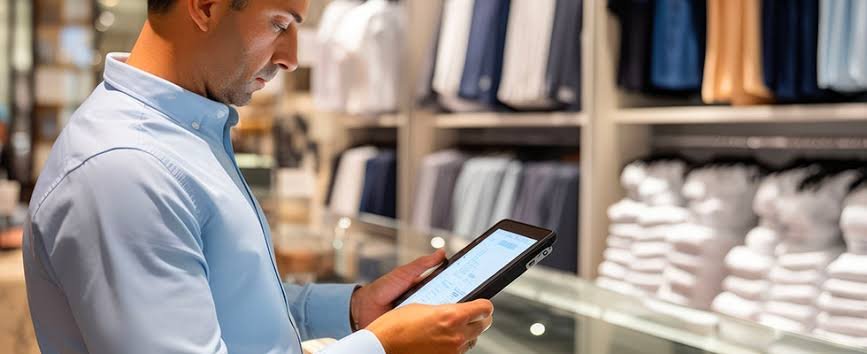
While the flashy displays get the attention, a lot of the real operational improvement in retail happens at a much smaller scale. Staff on the floor increasingly rely on phones and tablets to check inventory, process payments, or pull up product details for a customer standing right in front of them. That means the accessories supporting those devices matter more than most people realize. A grip that keeps a phone from slipping out of a busy associate’s hand, or a case that survives being dropped on a concrete floor for the tenth time that month, isn’t glamorous, but it keeps the operation running.
This is where durable phone accessories from Griplux earn their keep. A magnetic grip that snaps a phone securely to a stand behind the register, or a case thin enough not to get in the way during a fast transaction, solves a problem that’s easy to overlook until it causes a dropped device or a delayed sale. It’s a small line item in a retail technology budget, but the kind that pays for itself the first time it prevents a cracked screen.
Bringing the Two Worlds Together
The most effective retail environments tend to blend the big and the small. A store might use a striking GOBO projector or hologram unit near the entrance to draw people in, while relying on sturdier device accessories to keep the team moving efficiently once customers are inside. Neither piece works particularly well in isolation. Impressive visuals get people through the door, but a smooth, well supported staff experience is what turns that initial curiosity into an actual sale.
What’s Next for Physical Retail
None of this suggests that physical retail is trying to become a screen filled arcade. If anything, the opposite is true. The stores getting this right are using technology sparingly and intentionally, choosing a handful of moments, an entrance display, a checkout counter, a fitting room mirror, where a bit of extra polish changes how a visit feels. The rest of the space stays simple on purpose, because the goal was never to overwhelm shoppers. It was to give them a reason to remember the visit at all.