


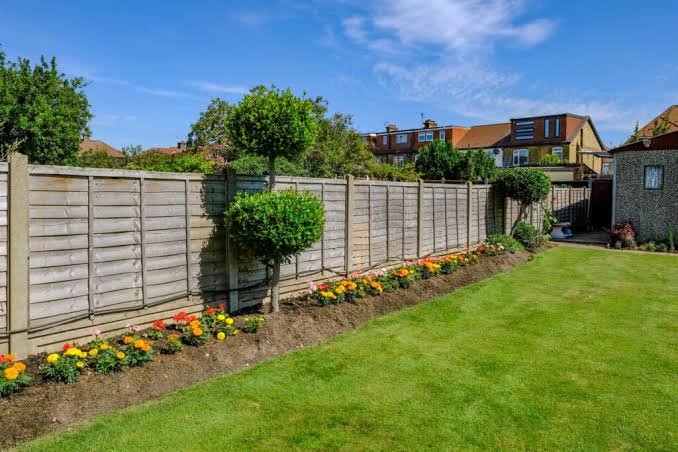
Choosing a fence contractor affects much more than the appearance of the finished panels. Post installation, property layout, gates, drainage, cleanup and communication determine whether the project performs well and feels professionally managed.
Before hiring a fence company in Burlington, ask questions that reveal how the contractor plans, builds and supports its work. The answers should be specific to your property rather than generic sales promises.
What Experience Do You Have With This Fence Material?
A contractor may be experienced with wood but less familiar with vinyl, ornamental metal or a specialized system. Ask for examples of comparable installations and an explanation of the material’s maintenance, limitations and expected performance.
The contractor should be comfortable discussing post spacing, gates, grade transitions and manufacturer requirements. Practical detail is more meaningful than a simple assurance that the team installs every material.
How Will You Confirm the Fence Layout?
Property lines should be based on reliable information. Ask what the contractor needs from you, whether the layout will be reviewed before digging and how gates and transitions will be marked.
Professional fence installation in Burlington should begin with a clear plan that accounts for surveys, utilities, access and local requirements. Do not assume an existing fence marks the correct boundary.
What Is Included in the Quote?
A complete estimate should identify the fence style, material, approximate dimensions, posts, hardware, gates, removal work and cleanup. It should also state payment terms, expected timing and how changes will be priced.
Ask whether taxes, disposal, soil handling and restoration around disturbed areas are included. Quotes can look similar until these details are compared.
How Deep Will the Posts Be Installed?
Posts support the entire fence and must resist wind, gate loads and seasonal ground movement. The appropriate method depends on the system, soil, height and site conditions.
A qualified contractor should explain the post and footing approach without relying on a one-size-fits-all answer. Monarch Landscaping reports using substantial posts and property-protection practices on its local fence projects.
How Will You Handle Slopes and Uneven Ground?
Stepped and racked fence designs produce different top lines and gaps. Ask which method is recommended and why. Review how the fence will meet retaining walls, neighbouring fences and changes in grade.
This conversation should happen before installation. Correcting an unsuitable transition after posts are set is difficult.
How Will Gates Be Supported?
Gates create concentrated loads and receive frequent use. Ask about post reinforcement, frame construction, hinges, latches and clearance. Discuss access for lawn equipment, bins and future projects.
A contractor should review gate swing direction and grade so the gate does not drag or interfere with walkways.
What Property Protection Is Provided?
Fence work involves excavation, material handling and repeated movement through the yard. Ask how lawns, gardens, driveways and neighbouring areas will be protected.
Clarify where materials will be stored, how removed soil will be managed and what cleanup occurs at the end. A contractor that plans these details is less likely to treat restoration as an afterthought.
Who Handles Utility Clearances and Local Requirements?
Never begin excavation without required utility-location procedures. Ask how the process is coordinated and what the homeowner must complete.
Municipal requirements may affect height, placement, pools and corner visibility. The contractor should flag these concerns, while the property owner should verify current requirements with the appropriate authority.
What Warranty Do You Provide?
Separate workmanship coverage from the material manufacturer’s warranty. Ask what each covers, how a concern is reported and whether exclusions apply.
Warranty details should be written. Avoid relying on a verbal statement that is not reflected in the agreement.
Who Will Be on the Property?
Ask whether employees or subcontractors perform the work and who supervises the project. Confirm the main contact for questions and changes.
Clear responsibility improves communication and helps prevent conflicting instructions during installation.
Can You Explain the Installation Schedule?
A realistic schedule accounts for material delivery, utility clearance, weather, removal work and site complexity. Ask when the crew expects to start, how long the property may be unsecured and what could cause delays.
Fast work can be valuable, but speed should not replace proper footings, alignment or cleanup.
Can I See Relevant Reviews or Completed Projects?
Look for evidence of consistent workmanship and communication. Relevant examples should resemble your material, property type or design challenge.
Photographs show appearance; reviews can reveal reliability, responsiveness and how the company handles concerns.
Warning Signs to Watch For
Be cautious when a contractor cannot describe materials, avoids written scope, requests unclear payment arrangements or pressures you to skip boundary and utility checks. A quote that is dramatically lower may omit removal, gates, quality hardware or adequate post work.
Match the Plan to the Property and Searcher’s Goal
Someone researching hiring a fence company is usually trying to make a practical decision, not simply learn a definition. Start by clarifying the outcome: choose a contractor who can explain the plan, protect the property and deliver reliable work. That goal should guide the recommended scope, materials or service level instead of forcing the property into a standard package.
A site-specific review should consider similar projects, material knowledge, posts, communication, insurance and warranties. These conditions affect performance, cost and future problems. Photographs and general pricing can help with early planning, but they cannot replace an assessment of the actual property and how it is used.
How to Compare Quotes and Service Proposals
Ask each provider to describe materials, posts, gates, removal, protection, cleanup, schedule and changes. A useful proposal makes responsibilities visible so owners compare the same work rather than totals built from different assumptions. It should also explain how unexpected conditions or requested changes will be approved.
Price matters, but long-term value also depends on planning, suitable materials or equipment, workmanship and communication. A lower figure can become more expensive when important tasks are excluded or the plan does not fit the site.
Questions to Resolve Before Work Begins
Confirm priorities, access requirements, the decision-maker and communication method before the start date. Ask what the owner must provide, what can affect scheduling and how concerns will be documented. Clear answers reduce uncertainty for the contractor, occupants and neighbours.
Keep the approved scope, estimates, product information and service records together. Good documentation makes it easier to review completed work, maintain the finished system and address future repairs, changes or weather-related needs.
Common Planning Mistakes to Avoid
One common mistake is comparing only price while overlooking differences in support and cleanup. Another is waiting until the project or season becomes urgent, reducing the time available to compare options and correct unclear details. Good planning considers the complete operating life of the solution, not only installation or the first visit.
Owners should not assume every property requires the same approach. A strong recommendation connects proposed work to observed conditions and explains why the solution is appropriate. That explanation helps distinguish a site-specific plan from a generic quote.
How to Prepare for an Efficient Project or Service Start
Before work begins, remove movable obstacles where requested, identify access limitations and tell the provider about known underground features, private services, sensitive surfaces or operational restrictions. Confirm how pets, tenants, customers, deliveries and neighbouring areas will be managed.
Review the final plan on site when practical. A short pre-start conversation can confirm layout, priorities, staging, storage and protection details that are difficult to understand from a written estimate alone. It also gives both parties a shared reference for the finished result.
After completion or each major service period, review the property and document concerns promptly. Ask for maintenance, inspection or follow-up guidance that applies to the chosen solution. Proactive review helps owners protect the investment and identify small issues before they become larger, more disruptive problems.