


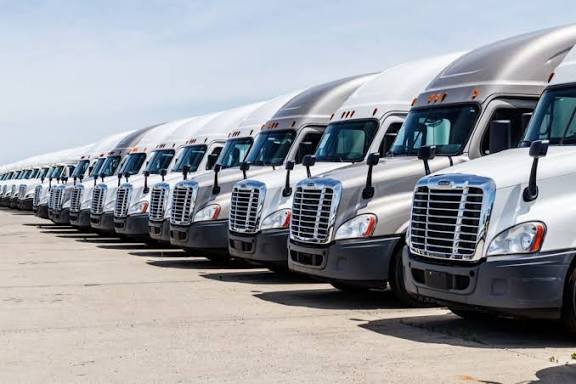
For businesses operating vans, HGVs, taxis, plant vehicles and other diesel-powered fleets, vehicle downtime can quickly become an operational and financial problem. Modern diesel vehicles depend on emissions-control systems such as Diesel Particulate Filters (DPFs) and catalytic converters to manage exhaust emissions and maintain efficient engine operation.
Effective Fleet DPF Maintenance and professional CAT Cleaning can help fleet operators identify problems early, maintain vehicle performance, and potentially avoid unnecessary replacement costs. A structured maintenance approach is particularly valuable for businesses that rely on vehicles every day and cannot afford unexpected breakdowns.
DPF Problems Can Have a Significant Impact on Fleet Operations
A DPF captures soot particles from diesel exhaust gases. Under normal conditions, the vehicle periodically regenerates the filter by raising exhaust temperatures and burning accumulated soot.
However, commercial vehicles often operate in demanding conditions. Frequent stop-start journeys, idling, short routes and heavy loads can increase the likelihood of DPF-related problems.
Common warning signs include:
- DPF warning lights
- Reduced engine performance
- Increased fuel consumption
- Limp mode
- Failed regeneration
- Increased exhaust back pressure
- Engine management warnings
For fleet managers, identifying these symptoms early can prevent a single vehicle issue from becoming a costly period of downtime.
Fleet DPF Maintenance Supports Preventative Vehicle Care
Fleet DPF Maintenance should form part of a wider preventative maintenance strategy rather than being treated as a response to warning lights alone.
Regular checks can help fleet operators monitor:
- DPF condition
- Differential pressure readings
- Regeneration performance
- Exhaust temperature sensors
- Engine management faults
- EGR system performance
- Exhaust back pressure
Understanding these factors helps technicians determine whether a vehicle requires cleaning, further diagnosis or another form of repair.
CAT Cleaning Can Restore Exhaust System Performance
The catalytic converter, commonly referred to as a CAT, is another important part of a vehicle’s emissions system. It helps convert harmful exhaust gases into less harmful substances before they leave the vehicle.
Over time, contamination and carbon deposits can affect the performance of the catalytic converter. Professional CAT Cleaning can be considered where deposits or contamination are affecting exhaust flow, and the component remains suitable for cleaning.
Potential benefits can include:
- Improved exhaust flow
- Better engine efficiency
- Reduced emissions
- Improved vehicle performance
- Avoiding premature component replacement where appropriate
However, cleaning is not suitable for every damaged catalytic converter. A professional assessment should determine whether cleaning can provide a practical solution.
Fleet Maintenance Requires More Than Cleaning the Filter
A recurring DPF or CAT problem can indicate a separate underlying fault. Simply cleaning an emissions component without identifying the reason for the problem may result in the issue returning.
For example, recurring DPF blockages can be associated with faults involving:
- EGR valves
- Fuel injectors
- Turbochargers
- Temperature sensors
- Differential pressure sensors
- Engine management systems
A professional diagnostic process therefore provides an important part of effective Fleet DPF Maintenance.
DPF Clean Team Provides Specialist Emissions ServicesDPF Clean Team
DPF Clean Team provides specialist DPF cleaning, diagnostics and emissions-system services for commercial vehicles and fleet operators across the UK. Its services cover DPF-related problems alongside solutions such as CAT Cleaning, helping businesses assess restricted or contaminated exhaust components before considering expensive replacement. By combining cleaning with diagnostic assessment, DPF Clean Team aims to help fleet operators reduce unnecessary downtime and keep diesel vehicles operating efficiently.
Comparing UK DPF and Emissions Specialists
Fleet operators have several specialist providers available when looking for DPF and emissions-system support. Alongside DPF Clean Team, companies such as The DPF Doctor, Revive DPF and Carbon Clean provide services focused on DPF cleaning, engine carbon cleaning and related emissions systems.
The right provider for a commercial fleet should be able to assess the individual vehicle, identify the likely cause of the fault and determine whether cleaning is an appropriate solution rather than recommending replacement automatically.
Fleet Operators Benefit from Planned Maintenance
Unplanned vehicle downtime can affect delivery schedules, staffing, customer commitments and operating costs. Preventative maintenance allows businesses to identify potential problems before they become major failures.
A fleet maintenance programme can include:
- Routine diagnostic checks
- Monitoring DPF regeneration
- Investigating warning lights promptly
- Regular servicing
- Checking emissions-system components
- Professional DPF or CAT cleaning when appropriate
- Recording recurring faults across individual vehicles
Keeping accurate maintenance records can also help fleet managers identify patterns and determine whether certain vehicles or driving routes are experiencing repeated emissions problems.
Driving Conditions Influence DPF Performance
Commercial vehicles that spend much of their time in urban environments may be particularly vulnerable to DPF problems. Low-speed driving and frequent stops can make it more difficult for the exhaust system to maintain the conditions needed for successful regeneration.
Fleet managers can consider whether vehicles are being assigned appropriately to their routes and whether longer journeys are available where required for normal regeneration.
The goal is not simply to clean a DPF whenever a warning appears, but to understand how vehicle use affects emissions-system performance.
Professional Cleaning Can Support Fleet Cost Control
Replacing a DPF or catalytic converter can be considerably more expensive than cleaning a component that remains structurally sound. This makes professional assessment particularly important for businesses managing multiple vehicles.
Where cleaning is technically appropriate, it can provide a cost-effective way to restore exhaust-system performance while extending component life.
However, cleaning should always follow proper diagnosis. A physically damaged, melted or otherwise unsuitable component may require replacement rather than cleaning.
Reliable Emissions Maintenance Supports Business Continuity
For fleet operators, emissions-system maintenance is closely connected to vehicle reliability and business continuity. Effective Fleet DPF Maintenance can help identify developing problems, while professional CAT Cleaning can provide an alternative to replacement when contamination is the underlying issue.
By working with experienced specialists such as DPF Clean Team, The DPF Doctor, Revive DPF and Carbon Clean, businesses can take a more preventative approach to diesel emissions maintenance.
Regular diagnostics, appropriate cleaning and attention to underlying mechanical faults can help commercial vehicles remain dependable, efficient and ready for the demands of daily operations.