

 Lifestyle
Karate Training in Thailand Techniques, Discipline, and Philosophy
PB
Posting Book
Apr 15, 2026
4 mins read
Karate Training in Thailand
Karate is a martial art that not only relies on physical strength but also emphasizes the balance between body, mind, and spirit. In Thailand, karate training has developed through an approach that combines modern techniques, strong discipline, and deep philosophy as its foundation. Although Thailand is widely known as the home of Muay Thai, karate continues to hold a strong position and grow among various segments of society.
Karate training in Thailand is generally conducted in dojos—specialized training spaces that promote discipline and mutual respect. Each training session typically begins with a formal bow to the instructor and fellow practitioners. This tradition reflects the core values of karate, such as respect, humility, and self-awareness. It also aligns with Thai cultural values, which emphasize politeness and respect for others https://www.karatekidsgym.com/index_lay-show-ac-article-Id-538702550.html .
In karate training, there are three main components that are always taught: kihon, kata, and kumite. Kihon forms the foundation of all karate techniques, including punches, kicks, blocks, and stances. In Thailand, kihon is practiced repeatedly to build strength, precision, and balance. Instructors place strong emphasis on mastering these basics, as they serve as the groundwork for more advanced skills.
The second component is kata, which consists of a sequence of movements designed to simulate combat against imaginary opponents. Kata not only teaches fighting techniques but also trains concentration, rhythm, and self-control. In Thailand, kata practice often incorporates an emphasis on precision and aesthetic quality, meaning that each movement must be executed with accuracy and intention.
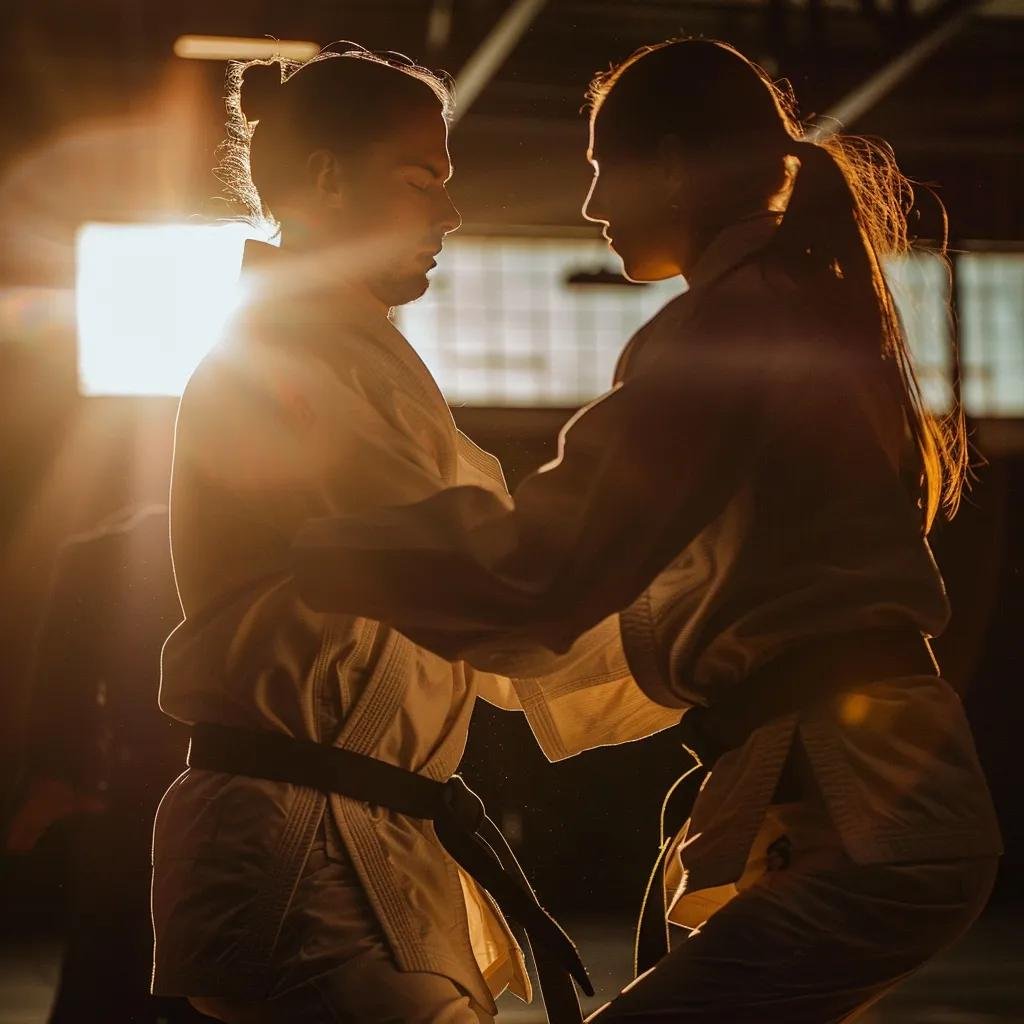
The third component is kumite, or sparring, which involves direct interaction between two practitioners. Kumite is often considered the most engaging aspect of training because it applies techniques in real-time situations. In Thailand, kumite is taught with a focus on safety, strategy, and emotional control. Athletes are trained to attack and defend effectively while maintaining sportsmanship.
Beyond technical skills, discipline is a crucial aspect of karate training in Thailand https://www.karatekidsgym.com/index_lay-show-ac-article-Id-538702550.html . Practitioners are expected to show strong commitment, arrive on time, and follow established rules. This discipline extends beyond the dojo into daily life. Many instructors emphasize that success in karate is not determined solely by physical ability, but also by attitude and mental strength.
Philosophy is another essential element of karate training. In Thailand, values such as patience, perseverance, and self-control are consistently emphasized. Karate is not merely about winning fights, but about understanding oneself and respecting others. This philosophy plays a significant role in shaping strong and balanced character.
Interestingly, karate training in Thailand is often influenced by the country’s warm and community-oriented culture. The relationship between instructors and students tends to be close, creating a supportive and comfortable training environment. Students not only learn techniques but also receive motivation and moral support from their community.
In addition, technological advancements have begun to influence karate training methods in Thailand. Many dojos now use video analysis to evaluate techniques and athlete performance. This allows for faster and more effective correction of mistakes. Social media also serves as a platform for sharing knowledge and expanding the karate community network.
Karate training in Thailand is open to people of all ages, from children to adults. Training programs are usually tailored to suit different age groups and skill levels. This makes karate an inclusive sport that can be enjoyed by anyone. Aside from competitive goals, many individuals practice karate to maintain fitness and build self-confidence.
In the context of competition, karate training in Thailand follows international standards. Athletes are prepared to face various match situations with well-developed strategies. Coaches also pay special attention to mental aspects such as emotional control and focus during competitions. This is essential to ensure that athletes can perform at their best in tournaments https://www.karatekidsgym.com/index_lay-show-ac-article-Id-538702550.html .
Overall, karate training in Thailand represents a balanced combination of technique, discipline, and philosophy. These three elements complement each other and form a strong foundation for athlete development. With structured training methods and support from various sectors, karate in Thailand continues to grow and produce high-quality athletes.
Looking ahead, karate training in Thailand is expected to keep evolving alongside modern developments while preserving its traditional values. By maintaining a balance between innovation and tradition, karate will not only remain a competitive sport but also serve as a powerful tool for building character and personal growth.
Related posts




Tags
- FeaturedFeatured
- Regular Septic Tank InspectionsRegular Septic Tank Inspections
- Best Hypnotherapist Near YouBest Hypnotherapist Near You
- Personal Injury in OklahomaPersonal Injury in Oklahoma
- FIFA World Cup PackagesFIFA World Cup Packages
- Boston Chauffeur ServicesBoston Chauffeur Services
- security guard servicessecurity guard services
- Security ServicesSecurity Services
- slotslot

Spotlight
Mediterranean Light: Framing Coastal Landscapes and Horizon Lines
Fleet DPF Maintenance and CAT Cleaning Help Commercial Vehicles Stay Reliable
How Lifestyle Inflation Can Change Your Spending
Buying Variable Frequency Drives Requires Careful Matching of Performance, Application and Motor Requirements