


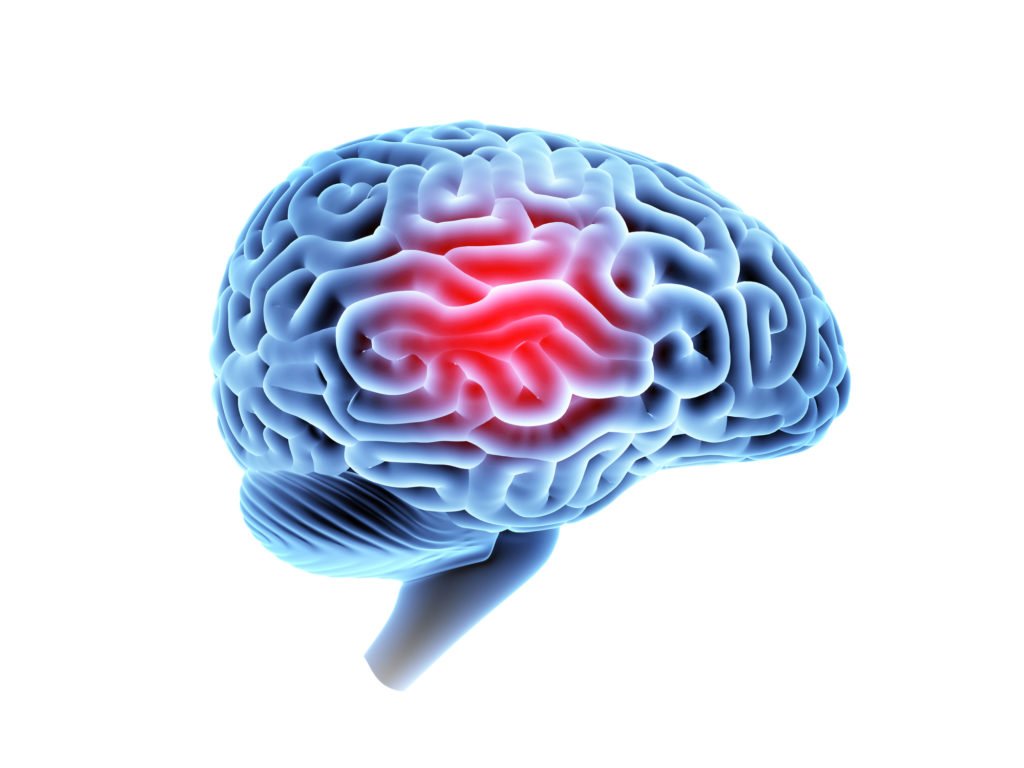
Traumatic Brain Injury
If you break a bone, everyone can see a cast. If you injure your brain, you might look completely normal—while struggling to remember words, tolerate noise, or keep your mood steady. That’s one reason traumatic brain injury is often called a “silent” injury. The damage may be internal, but the effects can ripple into everyday life in ways that are confusing for the person recovering and the people around them.
A Traumatic Brain Injury isn’t always dramatic or obvious. Sometimes it’s a concussion from a fall. Sometimes it’s a car accident where the head never visibly “hits” anything. Sometimes symptoms appear immediately; other times they show up days later—when the adrenaline fades and the brain tries to return to routine.
The Brain Doesn’t Just “Bounce Back” — It Rebalances
People often imagine the brain as a computer: reboot it, and it’s fine. But the brain is more like a living city. After trauma, it has to reroute traffic, repair damaged connections, and restore power to systems that regulate sleep, attention, memory, and emotion.
That’s why recovery can feel inconsistent. You may have a “good day” followed by a day where concentration collapses. This doesn’t always mean you’re getting worse—it can mean your brain is still recalibrating.
The Most Common “Invisible” Symptoms People Don’t Expect
Many survivors expect headache and dizziness. Fewer people expect the quieter symptoms that can be just as disruptive:
1) Mental fatigue that feels like a battery drain
You may be able to do tasks—but only for short bursts before feeling wiped out.
2) Sensitivity to sound, light, or crowds
Busy environments can feel physically overwhelming, even if you’re not anxious.
3) Short-term memory slips
Not “forgetting who you are,” but forgetting why you walked into a room or what someone just said.
4) Emotional volatility
Irritability, sudden tears, or feeling “not like yourself” can be part of brain recovery, not a character change.
5) Sleep disruption
Some people sleep too much. Others can’t sleep properly. Both are common after head injuries.
Why Symptoms Often Get Worse With Activity
A key frustration after a traumatic brain injury is this: you might feel okay while resting, then crash after normal activities—work emails, errands, a long conversation, a gym session.
That’s because brain recovery often exposes a gap between what you can do and what you can sustain. The brain’s energy and attention systems can be less efficient during healing, so tasks cost more “fuel” than they used to.
A helpful mental model: your capacity is temporarily reduced, not your potential.
The “Second Injury” Problem: Why Rest Isn’t Just Advice
One of the biggest risks after a concussion or milder TBI is returning to activity too quickly and sustaining another impact—especially in sports or fast-paced workplaces. Even without a second impact, overloading the brain can prolong symptoms.
Rest doesn’t mean lying in darkness forever. It means structured recovery: pacing, limiting overload, and gradually increasing cognitive and physical effort.
Recovery Isn’t Linear — So Track Patterns, Not Single Days
People often ask, “How long does recovery take?” The honest answer is: it depends on the injury, the person, sleep quality, stress levels, and overall health.
Instead of obsessing over one difficult day, pay attention to trends:
- Are crashes happening less often?
- Is your tolerance improving week to week?
- Are headaches shorter or less intense?
- Are you able to focus for longer than before?
Pattern improvement is more meaningful than perfect days.
When to Seek Help Urgently
Some symptoms after head injury are red flags and should be treated as urgent:
- worsening headache that doesn’t respond to basic measures
- repeated vomiting
- confusion that increases
- weakness or numbness on one side
- seizures
- trouble speaking
- extreme drowsiness or inability to stay awake
These don’t happen in most mild cases, but knowing them matters.
A Practical Recovery Mindset
A good recovery approach usually includes:
- Pacing (doing less than your “crash limit”)
- Sleep protection (consistent bedtime, reduced late screen exposure)
- Hydration + nutrition (brain recovery is energy-intensive)
- Gradual return to cognitive load (short sessions, breaks, increasing slowly)
- Reducing triggers (noise, bright light, chaotic multitasking)
This isn’t about being fragile—it’s about letting the nervous system heal without constant re-injury.
Final Thought
A traumatic brain injury can change how life feels—temporarily or longer-term—without changing how you look. The most important shift is moving from “Why can’t I push through?” to “How do I rebuild capacity safely?”
Because brain healing is real work—even when it’s invisible.