


 Living
The Ultimate Tenerife Survival Guide: Everything You Need Before You Visit
PB
Posting Book
Jul 15, 2026
6 mins read
Everything You Need Before You Visit
If you've ever landed in Tenerife and thought "this isn't quite what I expected," you're not alone, and the gap between expectation and reality is almost never the island's fault. It's the planning.
What Tenerife Actually Is (Versus What You Think It Is)
Most people picture one thing when they book Tenerife: sun, sea, a sun lounger, maybe a sangria. And yes, all of that exists. But Tenerife is genuinely two different islands depending on which end you're on, and booking a hotel on the wrong coast for what you actually want is a mistake that'll quietly ruin your week.
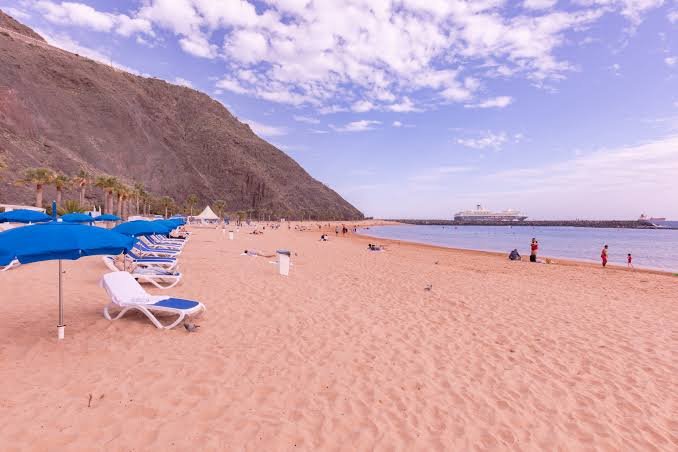
The south is where the big resort strips are. Playa de las Américas, Los Cristianos, Costa Adeje. Reliable sun, wall-to-wall hotels, every chain restaurant you've ever seen, and a beach experience that's been perfected over decades. It's not subtle, but it works. If you want guaranteed warmth and zero faff, this is your corner.
The north is a different story entirely. Lush, green, a bit moody. Puerto de la Cruz gets cloud cover that the south almost never sees. The landscape feels more like what you'd imagine a volcanic island looks like before tourism arrived. It's better for people who find the resort strips a bit soulless, and worse for people who've come specifically to lie in the sun without thinking.
Pick your coast before you book anything else.
The Weather Thing Everyone Gets Wrong
Tenerife gets sold as a year-round sun destination, and that's mostly true for the south. But "mostly" is doing a lot of heavy lifting in that sentence.
The north can be overcast for days at a time, particularly from late autumn through to spring. The Teide volcano in the middle of the island does strange things to the weather, essentially splitting it into two microclimates. You can genuinely be standing in cloud in Puerto de la Cruz and see blazing sunshine in the south in the same afternoon.
And Teide itself sits at over 3,700 metres. Pack a layer if you're going up. People arrive in flip-flops expecting a scenic drive and end up genuinely cold. The temperature at the summit is not comparable to the temperature at the coast. Not even close.
Getting Around Without Hating Yourself
Renting a car is worth it if you want to see more than the resort you landed in. The roads are good, driving is fine, parking in the big towns can be annoying but it's manageable. The motorway that runs along the west coast will eat time if you're going from south to north, so build that into your plans.
If you're not renting a car, the TITSA buses actually cover a lot of ground and aren't as painful as people assume. The 343 between Santa Cruz and Los Cristianos is reliable and cheap. Not fast, but cheap. For getting between the main resort areas and the airport, a taxi is easy enough. Just agree on the price or make sure the meter's running.
The cable car up to Teide is popular. Book it ahead of time online, not on the day you want to go. This is one of those things where I know that sounds obvious, but genuinely, people turn up without booking every single day and get turned away.
What to Actually Eat (And Where Not to Bother)
The trap in the resort strips is the menus aimed at tourists. You can see them from the street. Photos of every dish, prices in large font, someone at the door telling you about today's special. Not necessarily bad, but also not why you're here.
Papas arrugadas are the thing to order. Tiny wrinkled potatoes cooked in salted water, served with mojo verde or mojo rojo. Sounds simple. Is extremely good. Every decent local place does them and they cost almost nothing.
Canarian fish is worth seeking out too. Fresh, simply cooked, served with the same mojo sauces. The fishing villages on the northwest coast, Garachico in particular, have restaurants that are much better than what you'll find in the main tourist areas.
For context on what places are worth going to and what's been worn out by years of tourist traffic, the Tenerife Forum is genuinely useful. Real people, regular updates, specific recommendations. Far more reliable than any roundup written from a desk.
Teide: Go, But Know What You're Getting Into
Mount Teide is the reason a lot of people visit Tenerife beyond the beach, and it's worth the trip. The lunar landscape around the base is legitimately strange and beautiful. The drive through the national park feels like another planet.
The summit is a different question. To get to the very top, above where the cable car drops you, you need a permit. It's free, but it has to be booked in advance through the national park website. Most people don't know this until they're already standing at the top of the cable car wondering why they can't go any further.
I'd say go up for the views even without the summit permit. It's still worth it. The early morning or late afternoon light across the caldera is one of those things that's hard to describe and easy to remember.
The Places Worth the Drive
Los Gigantes in the southwest is worth half a day. The cliffs are genuinely impressive in a way that doesn't photograph well, one of those places where you have to be there. You can take a boat trip out to see them from the water, which is even better.
Anaga Rural Park in the northeast is almost criminally under visited given how extraordinary it is. Ancient laurel forest, steep ridges, tiny villages that look entirely unchanged. It takes effort to get to and the roads are narrow and winding. Do it anyway. The contrast with the sun-and-sand part of the island is startling.
Garachico, in the north, is a town built around the natural rock pools left by an old lava flow. The pools are free to swim in and the town around them is genuinely lovely, not preserved-for-tourists lovely but actually lived-in lovely. Go on a weekday if you can.
A Few Things Nobody Puts in the Guides
Sunscreen prices in resort pharmacies are high. Pack your own.
The sea in the south looks calm and often is, but the Atlantic swells can appear suddenly and some of the beaches have unexpected undertow. Watch the flags and don't ignore them.
If you're visiting in January or February and you see people in elaborate costumes in the streets, you've landed during Carnival season. Santa Cruz de Tenerife hosts one of the biggest carnivals outside of Rio. It's chaotic and loud and genuinely fun, and if you're anywhere near the island during that period it's worth reorganising your plans to see at least part of it.
One Last Thing Before You Go
Tenerife rewards the people who look past the obvious version of it. The resort strips exist for a reason and there's nothing wrong with using them. But the island underneath those strips is older, stranger, and more interesting than the brochure version suggests.
Go up the mountain. Eat the potatoes. Drive to Anaga even if it takes longer than you planned. You'll understand what I mean when you get there.
Related posts




Tags
- FeaturedFeatured
- Regular Septic Tank InspectionsRegular Septic Tank Inspections
- Best Hypnotherapist Near YouBest Hypnotherapist Near You
- Personal Injury in OklahomaPersonal Injury in Oklahoma
- FIFA World Cup PackagesFIFA World Cup Packages
- Boston Chauffeur ServicesBoston Chauffeur Services
- security guard servicessecurity guard services
- Security ServicesSecurity Services
- slotslot

Spotlight
Mediterranean Light: Framing Coastal Landscapes and Horizon Lines
Fleet DPF Maintenance and CAT Cleaning Help Commercial Vehicles Stay Reliable
How Lifestyle Inflation Can Change Your Spending
Buying Variable Frequency Drives Requires Careful Matching of Performance, Application and Motor Requirements