



 Living
Understanding the Necessity of Regular Septic Tank Inspections
PB
Posting Book
Apr 24, 2026
15 mins read
What is a Septic Tank and its Function in a Home
A septic tank is an integral component of the sewage system for many homes, particularly those located in rural areas where municipal wastewater treatment facilities are not readily accessible. It is essentially a self-contained, underground wastewater treatment system.
Designed to manage household waste efficiently, a septic tank receives all the water waste that your home produces through everyday activities such as laundry, showering, dishwashing and flushing toilets. The primary function of a septic tank is to separate solid waste from the liquid waste in wastewater.
Once inside the tank, heavy solids sink to form sludge while lighter materials like grease and oil float on top as scum. The remaining liquid - or effluent - resides within the middle layer and slowly disperses out into the drainfield for further natural filtration by soil.
This intricate process ensures that harmful bacteria and viruses are considerably reduced before wastewater returns to groundwater sources. Without this critical piece of infrastructure functioning optimally at all times, homeowners potentially face severe health hazards due to untreated sewage overflowing into their yards or backing up into their homes.
The Importance Of Regular Septic Tank Inspections
Given its essential role in managing household waste and protecting environmental health standards, regular inspections of a home's septic tank become paramount. Much like any other major home appliance or component such as your HVAC unit or roof, your septic system requires routine checks and maintenance to ensure its longevity and efficiency. An inspection serves not only as preventative maintenance but also provides homeowners with valuable information about their septic system's current condition.
It allows for early detection of potential issues that could escalate into expensive repairs if left unattended over time. Small problems such as minor cracks, leaks or blockages are relatively cost-effective to remedy if caught early on during an inspection.
Conversely, major malfunctions like a total system failure can lead to significant costs and inconveniences - including potential displacement from your home while repairs are underway. Furthermore, routine inspections can potentially extend the life of your septic tank and system.
Regular care preserves the function and integrity of the tank and drainfield, potentially saving homeowners substantial amounts in replacement costs. In essence, investing in regular inspections is a proactive approach that safeguards not only one's pocketbook but also the health and environmental safety of your property.
Understanding Septic Tanks: A Deep Dive into an Essential Home System
The septic tank system is an ingenious invention, devised to manage and treat wastewater in areas where public sewer systems are not accessible. The primary function of a septic tank is to separate solid waste from liquid waste, then to break down this solid waste into a more manageable form.
This process is primarily performed by naturally occurring bacteria within the tank that decompose the organic matter. When wastewater enters the septic tank from your household plumbing, it begins a journey of separation and treatment.
The heavier solids sink to the bottom forming a layer known as 'sludge', while lighter materials like oil or grease float on top creating a layer referred to as 'scum'. In between these layers resides clarified water which exits the tank into the drain field.
This exit water is then further treated as it filters through soil and gravel in the drain field, removing harmful bacteria and viruses before it reenters the groundwater system. It's a testament to nature's own recycling scheme; impressively efficient once we understand its workings.
The Anatomy of a Septic System: Components Uncovered
A typical septic system comprises several key components, each playing a crucial role in wastewater treatment. Firstly, there's the pipe running from your home to your septic tank which transports wastewater out of your house.
The next component is the aforementioned septic tank itself – usually made from concrete or plastic – where wastewater sits until solids separate from liquids. Inside this enclosed environment, anaerobic bacteria get busy decomposing organic material into simpler substances.
Beyond this lies an outlet pipe leading towards another important part - the distribution box - responsible for evenly distributing effluent into drainage fields. Hereby ends our journey at the drainage field itself, often a grid of perforated pipes set in a bed of gravel, designed to absorb and disperse effluent back into the earth.
The Lifespan and Durability Of A Septic Tank: A Long-Term Investment
A well-constructed and properly maintained septic tank is built to last. Its lifespan can be influenced by several factors, including the construction materials used, the size of the tank in relation to usage, and indeed how frequently it's inspected and serviced.
However, on average, a septic tank should serve your household diligently for anywhere between 15 to 40 years. Septic tanks made from concrete tend to have a longer lifespan than those constructed from other materials such as steel or plastic.
It's worth noting though that all types require regular maintenance to stay in top condition. Maintenance is key because without it solids will accumulate at both bottom and top layers of the tank, which can eventually cause blockages or even damage to the system.
In terms of its durability, it's essential that septic systems are installed correctly with high-quality materials as they are typically buried underground where they have to withstand constant pressure from soil above them. Therefore despite their unseen location they are not an aspect of home infrastructure where one should compromise on quality.
The Imperative of Regular Septic Tank Inspections
Given their critical role in waste management, regular septic tank inspections are not a luxury but a necessity. The primary reason for routine checks is to identify and rectify minor issues before they morph into monumental problems. A properly functioning septic system is largely invisible to homeowners, silently doing its job beneath the ground.
However, when things go awry, the resulting complications can be both strikingly apparent and distressingly disruptive. Inspections are also essential for prolonging the lifespan of your septic system.
Like any other element of your home infrastructure, your septic tank will inevitably wear down over time. Detecting this deterioration early can allow for remedial action to be taken, thereby extending the operational efficiency and longevity of your system.
Furthermore, regular checks are instrumental in maintaining environmental health. A neglected septic tank can pose serious threats to local water sources due to potential leaks or overflows - threats that can be effectively curtailed through judicious monitoring.
Devising Your Septic System's Inspection Schedule: A Tailored Approach
Determining appropriate intervals between inspections depends on multiple factors such as size of the tank, volume of usage, and age of the system - suggesting that there's no one-size-fits-all answer to how often you should have your septic tank inspected. If you have a large family or use high volumes of water regularly – perhaps through extensive laundry needs or running a home business – then your septic tank will fill up more quickly than average.
In this case, annual inspections would be optimal to ensure that you don’t encounter unpleasant surprises in the form of overflows or blockages. On the other hand, if your system is older or has already shown signs of trouble, more frequent inspections might be necessary.
An older tank may have unseen damage or wear, and catching these issues early could save you a lot of time, frustration, and money. Smaller septic tanks that cater to fewer people could potentially go for longer periods between inspections - perhaps every three years or so - unless the system is displaying signs of distress.
Unlocking Financial Wisdom: How Regular Inspections Save Money
Prevention is Cheaper than Cure: Unveiling the Hidden Threats
In the realm of septic system management, as with many aspects of life, prevention truly is cheaper than cure. Regular septic tank inspections serve as a meticulous screening process that can detect even the most inconspicuous issues.
Over time, minor problems such as small leaks or blockages may develop within your otherwise robust system. While these complications may seem trivial at first glance, left unchecked, they can morph into a severe issue that not only disrupts your daily life but also wreaks havoc on your finances.
To illustrate this point further, consider a small leak in the tank or pipes. This leak could lead to soil saturation around your system – an issue often unseen until it becomes significant.
As this oversaturation progresses over time, it could lead to more extensive damage requiring substantial repairs or even total system replacement. The result?
An expensive predicament that could have been avoided with regular inspections and preventive maintenance. Moreover, minor issues like slight blockages caused by solid waste build-up might seem insignificant initially but can grow exponentially if not identified and rectified early on.
Over time, these blockages can cause back-ups into your home's plumbing system – an unsightly and costly problem indeed! Therefore, preemptive measures in the form of regular inspections are fundamental in maintaining not only a healthy septic environment but also a sound financial standing.
Insights from Case Studies: Cost Comparisons Between Regular Maintenance and Emergency Repairs
Numerous case studies underscore the economic wisdom behind regular septic tank upkeep versus emergency repairs. For instance, let's consider Homeowner A who adopts a proactive approach towards his septic system's health by scheduling yearly inspections which typically cost around $200-$300 each visit. Any minor issues detected during these inspections are quickly fixed, preventing them from escalating, with repair costs ranging anywhere between $100-$500 depending on the issue at hand.
On the other hand, Homeowner B prefers to let sleeping dogs lie. Unfortunately, a major problem arises unexpectedly.
It's a total system failure due to neglect over time and requires an emergency replacement. The cost?
A staggering $5,000-$10,000! Not only does this scenario create a significant financial burden for Homeowner B, but it also brings about notable inconvenience and potential health risks.
These case studies clearly elucidate the vast monetary differential between regular septic system maintenance and emergency repairs resulting from neglect. The verdict is clear - preventive care in the form of regular inspections is undoubtedly more cost-effective in the long run.
Long-Term Savings: Prolonging Your Septic System's Lifespan
Investing in routine septic tank inspections can greatly extend your system's lifespan; hence contributing to significant long-term savings. A well-maintained septic system can function efficiently for up to 30 years or more compared to a neglected one which might necessitate substantial repairs or even full replacement within just 15-20 years!
Inspections ensure that all components of your septic system are working optimally and any potential threats are swiftly mitigated before they lead to disastrous consequences. By doing so, you not only enhance the performance of your system but also prolong its overall operational span thus maximizing your investment.
In addition, extending your septic tank lifespan extends beyond mere financial savings—it means fewer instances of major disruptive work on your property replacing failed systems; it contributes towards protecting our environment by preventing sewage overflow that can contaminate local groundwater supplies; and it upholds public health by averting potential disease outbreaks linked with sewage exposure. Without a doubt, investing in frequent professional inspections offers you peace of mind, knowing your system is in optimal condition, saving you substantial costs in the long run, and helping you contribute positively to environmental conservation and public health.
Common Problems Detected During Inspections
Frequent Faults: Leaks, Blockages, and Damages
Over time, various factors such as usage intensity, soil conditions, and even the quality of initial installation can lead to a series of common problems in septic systems. One frequent issue is septic tank leakage. This can occur when there's a crack in the tank body or when seals around the inlet and outlet pipes are compromised.
Leaks not only lose wastewater but also contaminate surrounding soil and water sources. Another common problem that often goes unnoticed until it's too late is blockages in the system.
These include blocked inlet or outlet pipes due to solid waste build-up or root infiltration from nearby vegetation. Septic tanks are designed to handle organic waste; however, if non-biodegradable items find their way into the system, they can cause formidable clogs that disrupt wastewater flow.
Moreover, physical damage to any part of the septic system – whether it's the tank itself or associated drain fields – poses significant functional threats. Common causes include heavy vehicles driving over ground-level components or invasive tree roots disturbing subterranean parts.
The Domino Effect: Escalating Consequences of Unaddressed Problems
The insidious nature of these common issues lies not just within their immediate impact but more so in how they escalate if left unchecked. A small leak might seem inconsequential initially; however, over time it gradually weakens structural integrity leading to potential catastrophic system failure.
In addition, constant leaking contributes to soil saturation which hampers proper wastewater treatment and increases contamination risks. Similarly with blockages; as they worsen over time untreated sewage may back up into your home causing significant property damage and health hazards.
Excessive buildup could eventually rupture pipes or the tank itself, leading to costly repairs. Physical damages to the system components tend to hasten the deterioration process.
Damaged components may not function as efficiently, increasing the likelihood of further issues down the line. Plus, depending on their severity, physical damages might compel a complete septic system replacement – an expense no homeowner wants to undertake prematurely.
Potential Costs: Financial Implications of Unchecked Issues
When it comes to septic systems, prevention always proves cheaper than cure. Addressing a minor leak as soon as it's detected can cost around $200-600; let it escalate into a major leak and you're looking at upwards of $1,000 for repairs. In worst-case scenarios where leakage has led to significant soil contamination or groundwater pollution, homeowners could face fines for environmental violations in addition to remediation costs.
The cost difference between clearing an early-stage blockage and dealing with a full-blown backup is stark. While professional sewage pipe cleaning might range between $150-400 depending on complexity; sewage cleanup due to substantial backups can easily climb past $10,000 once you factor in damage repair and potential health-related expenses.
As for physical damages; their repair costs depend on severity and location but they too can run up hefty bills. Simple repairs might fall within a few hundred dollars but replacing compromised drain fields or an entire septic tank can cost anywhere from $3,000 up to $20,000.
The Alchemy of Inspection: Demystifying the Septic Tank Check
Understanding the intricacies of a septic tank inspection can be quite enlightening, particularly if you're a homeowner seeking to grasp why this procedure is so pivotal. The process is methodological and requires an in-depth examination of each component to ensure optimal functionality.
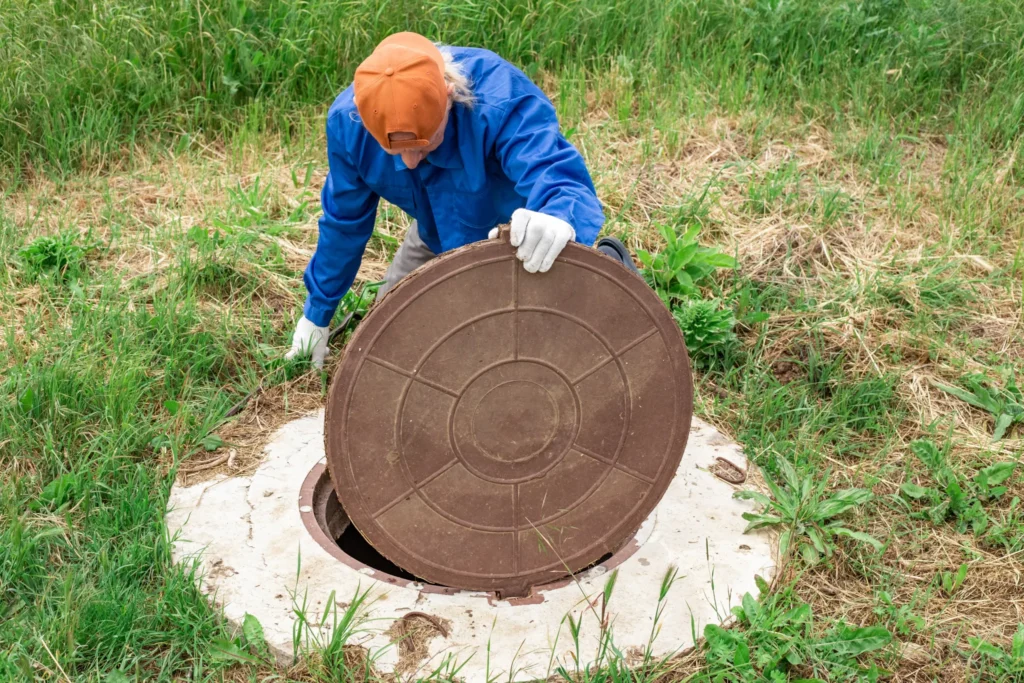
The initial step entails locating your septic system. If you're uncertain about its position, your inspector would assist by referring to house plans or conducting a physical search in your yard.
Once discovered, the cover is removed for easy access to the interior. Next comes probing the tank's content, where its level and consistency are checked.
An abnormal liquid level could indicate possible leakage or blockage within the system. In addition, tanks are examined for cracks, corrosion, or any other form of structural damage that may compromise their efficiency.
Not All Heroes Wear Capes: The Significance of Licensed Inspectors
Septic tank inspections should not be viewed as do-it-yourself tasks; they necessitate the expertise of licensed professionals. These individuals possess an expansive wealth of knowledge about different systems and their respective components—training that guarantees thorough inspections and precise diagnoses.
Licensed inspectors understand all laws and regulations relating to septic systems within specific localities. This knowledge ensures compliance during inspection and subsequent repairs or replacements—thus eliminating legal complications that may arise from non-compliance.
Furthermore, these professionals have access to cutting-edge tools designed for successful inspections—resources unavailable to most homeowners. By employing these tools along with their unrivalled skills and experience—they offer an invaluable service designed to prolong your septic system's lifespan while saving you money over time.
Tips For Maintaining Your Septic System Between Inspections: The Homeowner's Preventive Measures
A septic tank system is essentially a mini ecosystem in your home, one that requires a small amount of daily attention to keep it running smoothly. In the time between professional inspections and servicing, homeowners can follow a few simple guidelines to ensure their systems remain in optimal condition. Firstly, embrace mindful flushing habits.
Remember that not everything is meant to be flushed down the toilet or sink. Avoid flushing items such as paper towels, wet wipes (even the ones labeled 'flushable'), feminine hygiene products, or any bulky material that could clog up your system.
On the same note, be discerning about what you let go down your drains. Anything from greasy substances to coffee grounds and even certain harsh cleaning chemicals can damage your septic tank system by disturbing the delicate biological balance within it.
Navigating Harmful Substances: The Avoid-at-all-costs List
Going hand-in-hand with mindful flushing habits is eliminating harmful substances from entering your septic system. Some materials and chemicals are particularly detrimental for septic systems and should be avoided at all costs. Certain household items including oils, fats, paints, solvents or pesticides can cause severe damage to your septic tank system if they enter it through drains.
These substances break down slowly – if at all – thus clogging up your septic pipes and even potentially killing off beneficial bacteria within the tank. If you're unsure whether something will negatively impact your septic system or not - err on the side of caution and avoid disposing of it through your drains.
The Ounce of Prevention: The Importance Of Regular Maintenance
The benefits of regular maintenance cannot be overstated when it comes to preserving the longevity of a home's septic system. As Benjamin Franklin wisely pointed out – "an ounce of prevention is worth a pound of cure". By sticking to these preventive measures, homeowners can help their septic systems function optimally, thus reducing the likelihood of costly repairs or replacements.
Conclusion: A Brighter Path Forward
As we weave our way through the intricate world of septic tank maintenance, it becomes clear that keeping up with regular inspections and following simple daily practices can lead to substantial savings and hassle-free living. After all, a well-maintained septic system is not only friendly to your wallet but also contributes to a cleaner environment by preventing contamination. In understanding the importance of these steps and implementing them in our daily routines, we light up the path towards healthier homes and happier lives.
Related posts




Tags
- FeaturedFeatured
- Regular Septic Tank InspectionsRegular Septic Tank Inspections
- Best Hypnotherapist Near YouBest Hypnotherapist Near You
- Personal Injury in OklahomaPersonal Injury in Oklahoma
- FIFA World Cup PackagesFIFA World Cup Packages
- Boston Chauffeur ServicesBoston Chauffeur Services
- security guard servicessecurity guard services
- Security ServicesSecurity Services
- slotslot

Spotlight
Mediterranean Light: Framing Coastal Landscapes and Horizon Lines
Fleet DPF Maintenance and CAT Cleaning Help Commercial Vehicles Stay Reliable
How Lifestyle Inflation Can Change Your Spending
Buying Variable Frequency Drives Requires Careful Matching of Performance, Application and Motor Requirements