


 Lifestyle
The Evolution of Restorative Dentistry: A Close Look at Zirconium Crowns
PB
Posting Book
May 5, 2026
4 mins read
Modern restorative dentistry has undergone a massive shift toward materials that prioritize both structural integrity and natural aesthetics. Among the most significant advancements in this field is the rise of the zirconium crown. Once a niche option, zirconium has become the gold standard for patients seeking to repair damaged teeth without sacrificing the look of a natural smile. As dental technology evolves, these restorations offer a blend of durability and beauty that traditional metal-fused crowns simply cannot match.
What Defines a Zirconium Restoration?
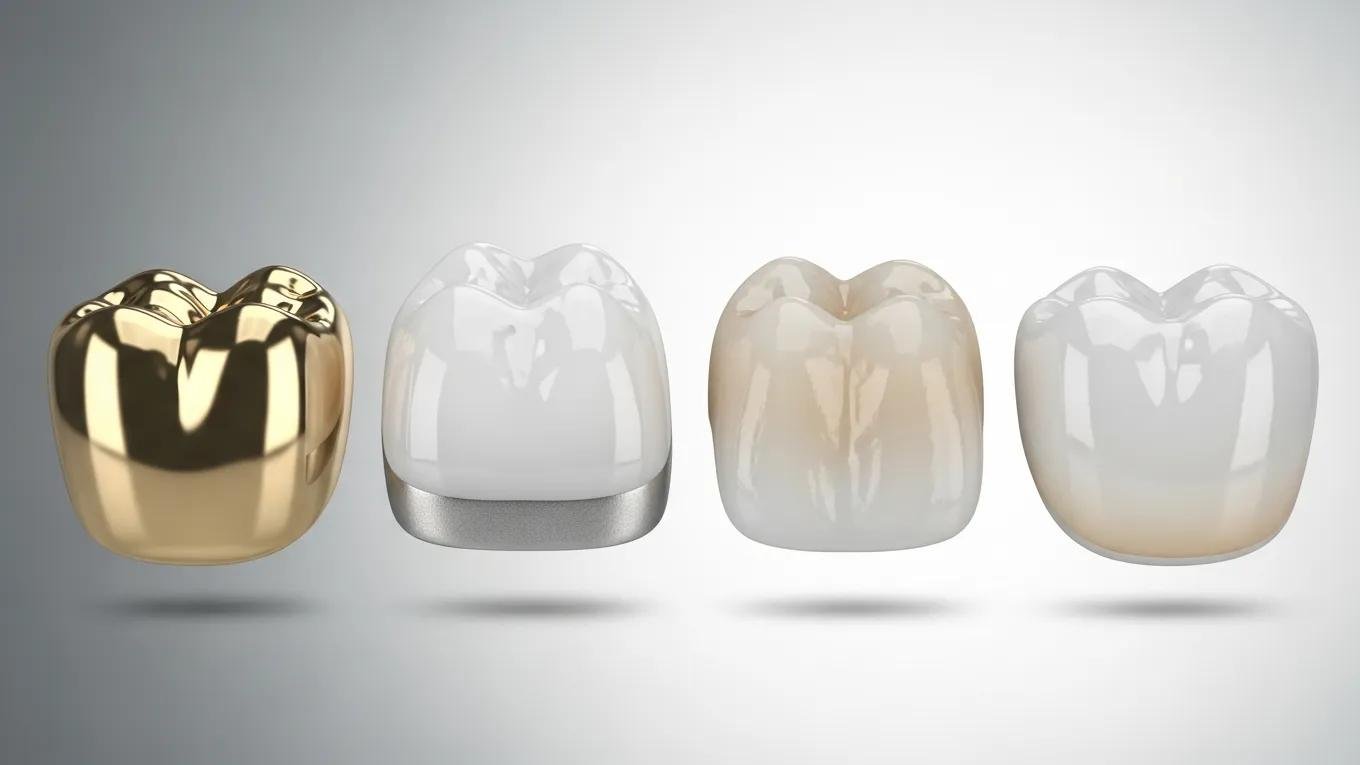
Zirconium dioxide, a white crystalline oxide of the metal zirconium, serves as the foundation for these dental prosthetics. In the dental laboratory, it is often referred to as "ceramic steel" due to its incredible fracture toughness. Unlike traditional porcelain-fused-to-metal (PFM) crowns, which rely on a dark metal substructure, zirconium is naturally white and translucent. This allows light to pass through the restoration in a way that mimics the light-reflecting properties of natural tooth enamel.
At Dentprime, the application of zirconium crowns is often recommended for patients who require a long-lasting solution for decayed, cracked, or severely discolored teeth. The material is chemically unreactive, making it an ideal choice for individuals with metal sensitivities or those who want to avoid the "dark line" often seen at the gumline with older crowning techniques.
The Practical Advantages of Choosing Zirconium
When selecting a restorative material, dental professionals evaluate several factors: longevity, biocompatibility, and visual integration. Zirconium excels in each of these categories.
- Extreme Durability: Zirconium is significantly stronger than standard porcelain or even many metal alloys. It can withstand the high-pressure forces of chewing and grinding, making it suitable for both front teeth and molars.
- Biocompatibility: One of the most significant benefits is the material’s harmony with human tissue. The body does not reject zirconium, and it rarely triggers inflammatory responses in the surrounding gingival tissue.
- Precision Fit: Modern zirconium restorations are typically created using Computer-Aided Design and Computer-Aided Manufacturing (CAD/CAM) technology. This digital workflow ensures a precise fit that minimizes the risk of decay forming under the crown.
- Stain Resistance: The smooth, non-porous surface of the material resists the buildup of plaque and staining from coffee, tea, or nicotine better than natural enamel or composite resins.
The Process: From Consultation to Placement
The journey toward a revitalized smile typically involves two primary stages. During the initial visit, the dentist prepares the target tooth by removing a small amount of enamel to create space for the restoration. Because zirconium is exceptionally strong even in thin layers, less of the natural tooth structure often needs to be removed compared to other materials.
Once the tooth is prepared, a digital scan or traditional impression is taken. This data is sent to a specialized laboratory where the crown is milled from a solid block of zirconia. During the second appointment, the dentist checks the fit and color match before permanently bonding the crown to the tooth. The result is a seamless transition between the synthetic restoration and the patient's natural dentition.
Monolithic vs. Layered Zirconium
Not all zirconium restorations are identical. Dentists generally choose between two types based on the location of the tooth in the mouth:
- Monolithic Zirconia: These are carved from a single solid block. They are incredibly opaque and strong, making them the preferred choice for molars where the force of biting is highest.
- Layered Zirconia: These feature a zirconia core for strength with a layer of translucent porcelain baked over the top. This variety is most often used for front teeth (incisors and canines) where the highest level of aesthetic detail is required to match the subtle gradients of the surrounding teeth.
Long-term Care and Maintenance
While a zirconium crown cannot decay, the natural tooth structure beneath it and the surrounding gum tissue still require diligent care. Maintaining these restorations does not require specialized tools; rather, it demands a commitment to standard oral hygiene. Daily brushing with a non-abrasive fluoride toothpaste and regular flossing help prevent the accumulation of bacteria at the margin where the crown meets the gum.
Regular professional cleanings and check-ups are also vital. During these visits, a dentist can monitor the integrity of the bonding agent and ensure that the patient’s bite remains aligned. With proper care, these restorations can easily last fifteen years or longer, providing a reliable return on investment for the patient’s oral health.
Addressing Aesthetic Expectations
The primary reason patients opt for this material over gold or PFM crowns is the visual outcome. Because zirconium is available in a wide range of shades, it can be precisely matched to the patient’s existing teeth. Furthermore, the absence of a metal core means that even if the gums recede slightly over time, there will never be a greyish shadow visible at the base of the tooth. This ensures that the smile remains vibrant and youthful-looking for the duration of the crown’s lifespan.
As dental science continues to advance, the refinement of zirconium processing ensures that these crowns remain at the forefront of restorative care. By combining the strength of metal with the beauty of glass ceramics, zirconium provides a versatile, reliable, and high-performance option for modern dental patients.
Related posts




Tags
- FeaturedFeatured
- Regular Septic Tank InspectionsRegular Septic Tank Inspections
- Best Hypnotherapist Near YouBest Hypnotherapist Near You
- Personal Injury in OklahomaPersonal Injury in Oklahoma
- FIFA World Cup PackagesFIFA World Cup Packages
- Boston Chauffeur ServicesBoston Chauffeur Services
- security guard servicessecurity guard services
- Security ServicesSecurity Services
- slotslot

Spotlight
Mediterranean Light: Framing Coastal Landscapes and Horizon Lines
Fleet DPF Maintenance and CAT Cleaning Help Commercial Vehicles Stay Reliable
How Lifestyle Inflation Can Change Your Spending
Buying Variable Frequency Drives Requires Careful Matching of Performance, Application and Motor Requirements